
Why Crypto Casinos Are Gaining Traction in the Philippines
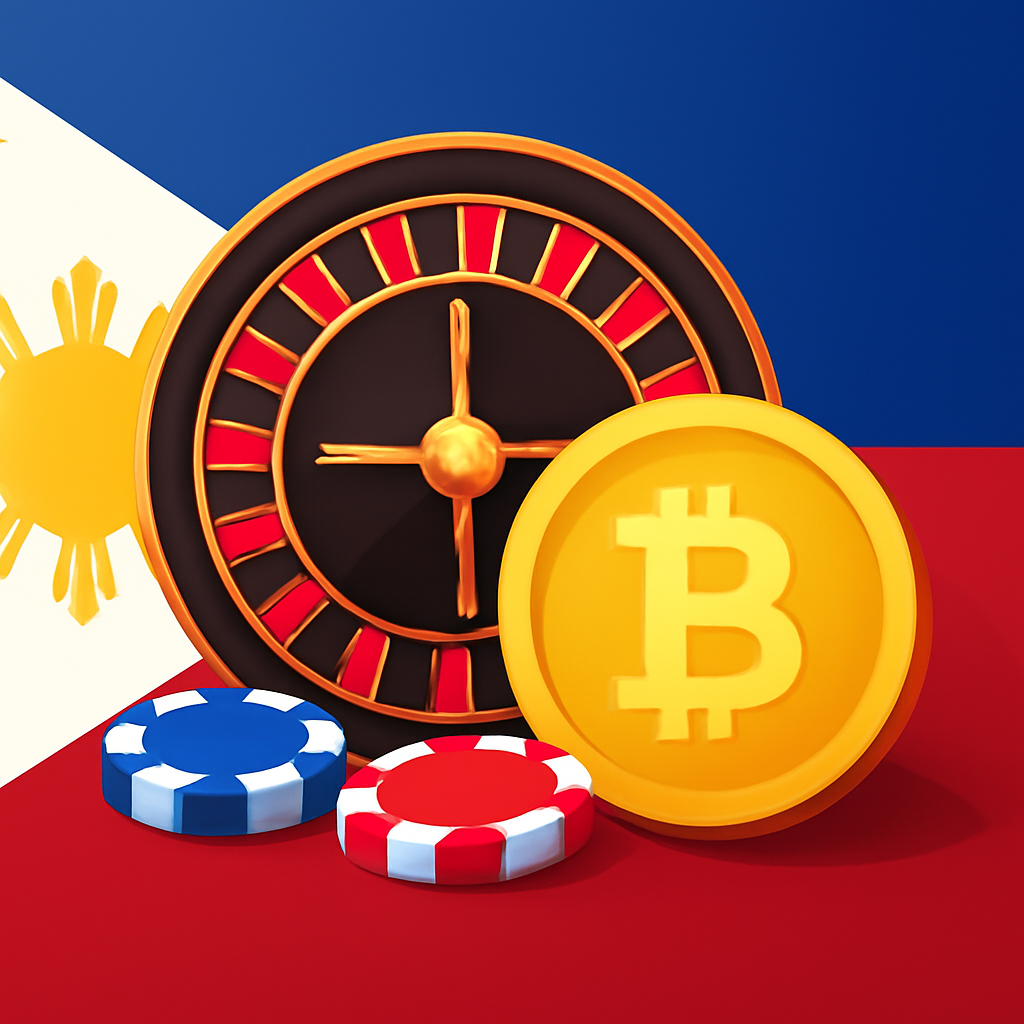
The rise of crypto casinos in the Philippines reflects a wider global shift toward digital currencies and decentralized finance. Players are drawn to the promise of faster withdrawals, lower fees, and a wider range of payment options compared with traditional online casinos. For many Filipinos who already use cryptocurrencies for remittances, trading, or savings, using crypto to play casino games feels like a natural extension of an existing digital lifestyle.
Beyond convenience, trust and transparency are major selling points. Blockchain technology can enable provably fair gaming, where users verify the fairness of each game round on-chain or through cryptographic proofs. That capability appeals to players weary of opaque algorithms and slow customer service responses from legacy operators. Additionally, the native ability to use stablecoins such as USDT or USDC helps reduce volatility concerns while retaining the benefits of crypto rails.
Market dynamics also favor crypto adoption: operators targeting Southeast Asia optimize for mobile-first experiences, localized languages, and crypto-friendly bonuses. Affiliates and social channels help accelerate discovery, with many Filipinos searching for reputable options. To find trustworthy platforms, many consumers consult reviews, community forums, and verification services. Those searching for crypto casinos philippines often compare licensing status, game variety, and the presence of clear terms for deposits and withdrawals before committing to an operator.
How Blockchain, Payments, and Regulation Shape the Landscape
At the technical level, the backbone of the modern crypto casino ecosystem is diverse: public blockchains for transparency, Layer 2 solutions for cheap transactions, and custodial gateways for fiat on-ramps. Operators may accept a range of currencies—Bitcoin for familiarity, Ethereum for smart-contract features, and stablecoins for price stability. Payment processors that convert fiat into crypto in real time are especially important in the Philippine market, where many players still top up via local banks, e-wallets, or remittance services.
Regulation remains a complex factor. The regulatory environment in the Philippines involves domestic agencies and, for many platforms, offshore licensing jurisdictions. Some operators pursue local partnerships or comply with regional standards to reduce friction for Filipino clients. While crypto casinos can operate with different licensing models, the most sustainable operators maintain clear KYC and AML processes to protect users and comply with cross-border financial rules. Responsible platforms also provide tools for self-exclusion, betting limits, and transparent audit reports.
Security best practices go hand-in-hand with payment and regulatory considerations. Multi-signature custody, hardware wallet compatibility, and cold storage policies reduce systemic risk for funds that belong to the operator. For players, two-factor authentication, address whitelist features, and careful management of private keys are essential steps. As infrastructure matures, expect more hybrid solutions: fiat-crypto rails that enable instant deposits and withdrawals while keeping on-chain settlement options for advanced users.
Case Studies and Practical Tips for Filipino Players
Real-world adoption patterns illustrate both opportunities and pitfalls. In one trend, mobile-first operators that integrated USDT as a core currency saw faster player onboarding in the region because stablecoins reduced the need for constant conversions. Another pattern involves community-driven platforms that publish third-party audits and blockchain game logs; these platforms tend to attract higher-value players who prioritize transparency. Conversely, platforms that obscure withdrawal policies or limit chain options often generate negative reviews and churn.
Practical tips for players in the Philippines include thorough due diligence and smart bankroll practices. Verify licensing claims, read terms for bonuses (wagering requirements can make seemingly generous offers less valuable), and check community feedback on independent forums. Use stablecoins to minimize volatility risks and consider splitting funds between custodial wallets for convenience and non-custodial wallets for long-term holdings. Always enable strong account security measures and double-check withdrawal addresses before confirming on-chain transactions.
Choosing games and strategies also matters: slots and live casino games remain popular, but provably fair dice and roulette-style offerings can provide added transparency for mathematically minded players. Keep an eye on promotional mechanics; loyalty programs and crypto-native rewards can significantly improve value over time. Finally, be aware of tax and legal obligations: while many operators provide transaction histories, maintaining personal records will help if authorities request clarification on winnings or transfers. These practical insights help players navigate a fast-evolving market while maximizing enjoyment and minimizing risk.

A Sarajevo native now calling Copenhagen home, Luka has photographed civil-engineering megaprojects, reviewed indie horror games, and investigated Balkan folk medicine. Holder of a double master’s in Urban Planning and Linguistics, he collects subway tickets and speaks five Slavic languages—plus Danish for pastry ordering.